Arc Resistance Testing Machine for Safety

Lab Testing Machine
December 29, 2025
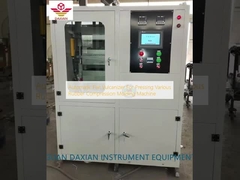
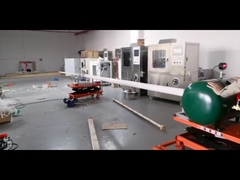
Brief: Here’s a fast, informative look at what this solution does and how it behaves. This video demonstrates the DX8413 Arc Resistance Testing Machine in action, showing how it evaluates the arc resistance of solid insulation materials under high voltage and low current conditions. You'll see the testing process, from electrode setup to the automatic recording of arc resistance time, providing clear insights into material performance and failure analysis.
Related Product Features:
  • Computer-controlled operation for precise test management and real-time observation of test curves.
  • Complies with multiple international standards including GB1411, IPC650, IEC 61621, ASTMD495, JEC 149, and UL 746A.
  • Tests arc resistance of solid insulation materials like plastics, resins, mica, ceramics, and insulating paints.
  • Output voltage is continuously adjustable from 0 to 20 KV with high control accuracy.
  • Offers both intermittent and continuous arc test methods with selectable test currents.
  • Includes comprehensive safety features such as overvoltage, overcurrent, and short circuit protection.
  • Automatically stores test conditions and results for easy access, display, and printing.
  • Equipped with specific stainless steel and tungsten steel electrodes configured at precise angles.
FAQs:
  • What standards does the Arc Resistance Testing Machine comply with?
    The machine is designed and manufactured in accordance with GB1411, IPC650, IEC 61621, ASTMD495, and also complies with testing methods such as JEC 149 and UL 746A, ensuring international standardization for arc resistance testing.
  • What materials can be tested with this machine?
    It is used to assess the arc resistance performance of solid electrical insulation materials, including plastics, resin adhesives, insulating paints, films, mica, ceramics, glass, insulating oil, cardboard, and other similar media.
  • How does the machine determine the arc resistance of a material?
    The machine applies a high voltage with a gradually increasing current to the material surface, inducing arc discharge. It records the time in seconds from the start until the material fails (by forming a conductive path or burning), which is reported as the arc resistance time.
  • What safety features are included in the testing machine?
    The machine includes overvoltage protection, overcurrent protection, short circuit protection, security door opening protection, and software misoperation protection to ensure operator and equipment safety during high-voltage testing.