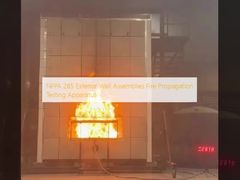
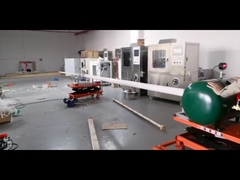
Brief: Want to know how the UL790 Test Machine evaluates solar panel fire resistance according to UL1730 standards? This video provides a detailed walkthrough of the lab testing process, demonstrating how it simulates real-world fire risks like flying embers and flame spread to certify products for North American and other international markets.
Related Product Features:
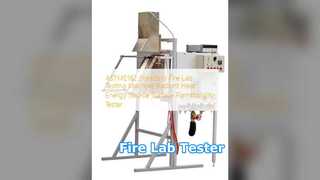
Simulates real fire conditions to assess roof and solar panel fire resistance according to UL790 and other standards.
Features a stainless steel sectoral adjustment plate for customizable test angles up to 1440mm x 940mm.
Includes a corrosion-resistant steel main frame supporting the test setup, sized 1020mm x 1000mm x 1473mm.
Equipped with an adjustable gas burner providing up to 387kWh for A, B, and C grade combustion tests.
Maintains controlled air flow at 19±8 km/h with an integrated anemometer and honeycomb-filtered ventiduct.
Uses a noncombustible board assembly to simulate eaves and prevent backfire during testing.
Powered by a 220V, 50Hz three-phase fan with stepless variable speed control from 0-100%.
Designed for testing photovoltaic cell components' flame retardancy under standardized lab conditions.
Faqs:
What standards does the UL790 Test Machine comply with?
The machine is designed to meet multiple international standards including UL790, ASTME108, NFPA256, and IEC61730-2 for fire resistance testing of roofs and solar panels.
How does the machine simulate real fire risks?
It replicates two main fire scenarios: the Flying Fire Test simulates wind-blown burning embers on the roof, and the Flame Spread Test mimics flames from adjacent structures reaching the roof edge.
What are the key applications of this testing equipment?
Primarily used for evaluating the fire resistance of roofing materials and photovoltaic cell components, it is essential for products requiring certification for markets in North America and other regions recognizing these standards.